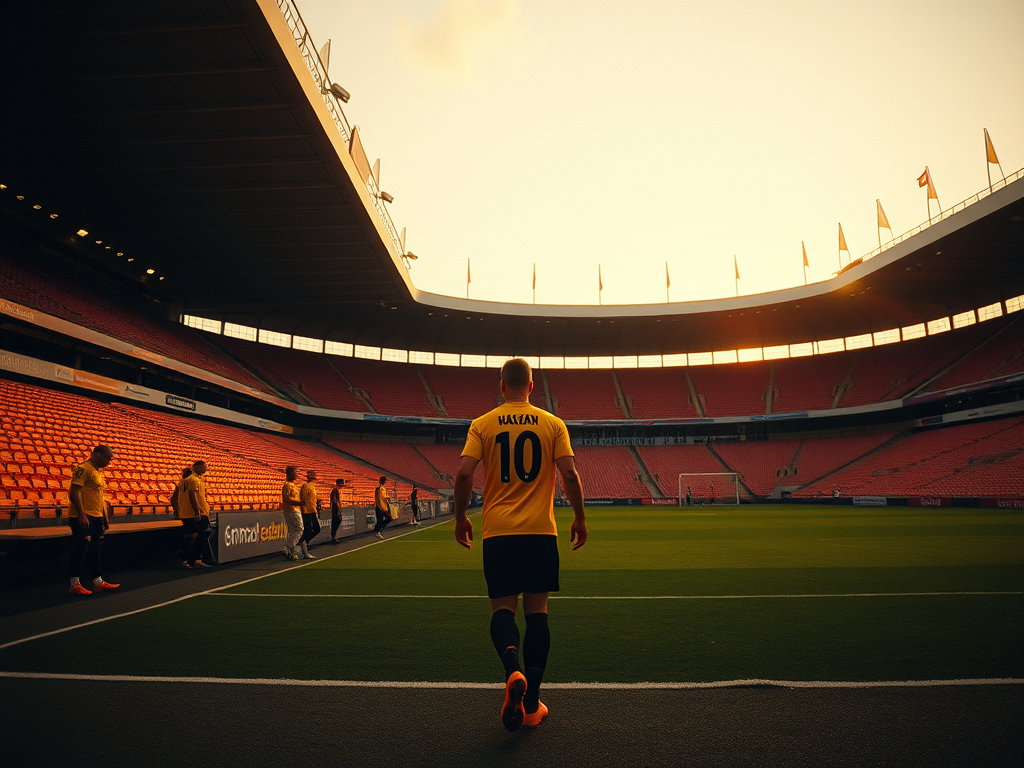
 BSC Young Boys Hub
In recent matches, BSC Young Boys have faced some unexpected setbacks. Despite individual strength and solid team performance, tactical issues in build-up play have become evident. The team struggles to effectively transition the ball from defense to midfield, often leading to unnecessary turnovers and putting opponents in counter-attacking positions. Particularly, the connection between defense and midfield seems to be lacking.
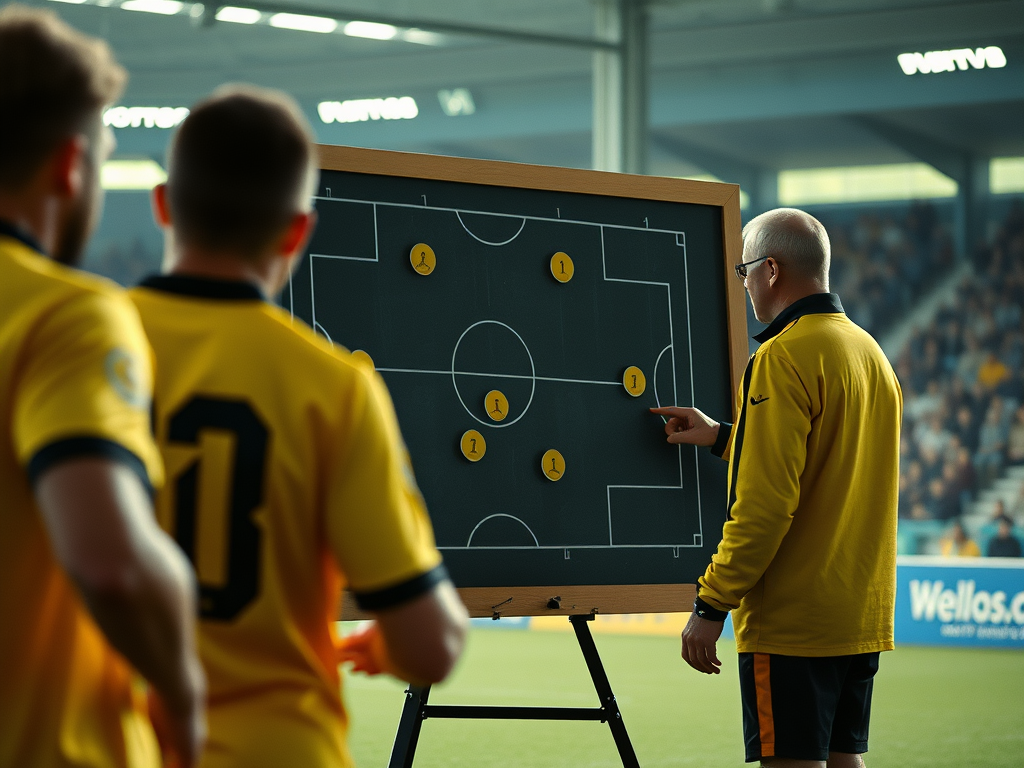
A central aspect of the current problem is the role distribution in midfield. With players primarily focused on defensive duties, there is often a lack of creative impulses to enliven the attacking play. One suggestion would be to integrate a more offensive-minded midfielder who is not only capable of distributing the ball but also has the ability to play through balls and join the attack. A shift to a 4-2-3-1 formation could be beneficial, where the two defensive midfielders would be given clear roles in build-up play while allowing the central playmaker the creative freedom to influence the game.
Furthermore, the width of play could be better utilized through the wingers. In recent matches, it has often been observed that the wide positions were not effectively occupied, leading to a tendency to centralize play. A clear tactical directive to push wingers deeper into the attack and to deliver more crosses into the box could significantly pressure the opposing defense.
Another point that could contribute to stability is communication within the backline. Misunderstandings have too often led to dangerous chances for opponents. A defensive midfielder could serve as a pivotal point, taking on defensive responsibilities while also acting as a link between defense and midfield to improve communication and structure.
In conclusion, BSC Young Boys have the potential to enhance their form through targeted tactical adjustments. Implementing a more dynamic and creative playing system could be crucial in regaining dominance in Swiss football and winning back the fans in Bern.